
1. Water and Structure
Roof, drainage, siding and any framing or foundation issues. Nothing decorative happens while water is still getting in.
Whole Home Renovation
Top to bottom on shotguns, doubles and raised centre halls. Sequenced so the house comes back together in an order that makes sense.
What We Do
A whole home renovation is not six separate jobs booked back to back. The order matters. Structure and water first, then services, then surfaces. Do it out of order and you pay to redo work.
We run the whole thing with one point of contact, so you are not coordinating a plumber against a tiler against an electrician who are all waiting on each other.
Where a house is being lived in during the work, we stage it so you keep a working bathroom and kitchen for as much of the job as possible.
Whole home remodeling is the same work under a different word. Most people looking for home remodelers in New Orleans are describing exactly this.
What You Get
The sequence below is what stops a big renovation turning into rework.
Roof, drainage, siding and any framing or foundation issues. Nothing decorative happens while water is still getting in.
Back to what is staying. This is where old houses reveal what they have been hiding.
Electrical and plumbing rough in for the finished layout, brought up to code.
Insulation, plaster repair and board. The house starts looking like a house again.
Flooring, tile, joinery, trim and paint.
We walk every room with you and fix the small things before we call it done.
How It Works
The same process on every job in the New Orleans metro, whether it is one room or the whole house.
We come to the property and look at the actual house. On older New Orleans homes that means checking settling, moisture and what sits behind the plaster before anyone quotes a number.
You get whole home renovation written down: what is included, what is not, and what could change it. No charge and no obligation.
Materials, trades and scheduling handled in house. You hear about problems the day we find them, not in a bill at the end.
We walk the finished work with you, write down anything you are not happy with, and fix it before the job is called complete.
Gallery
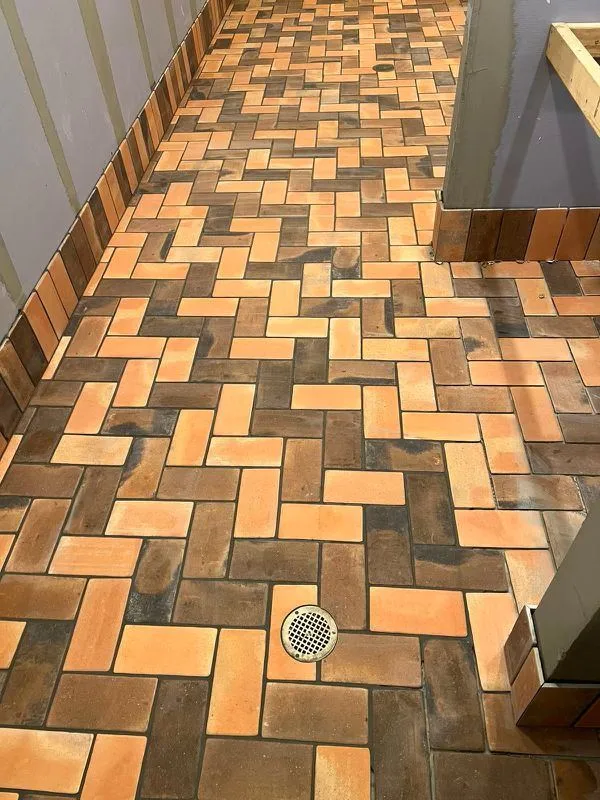
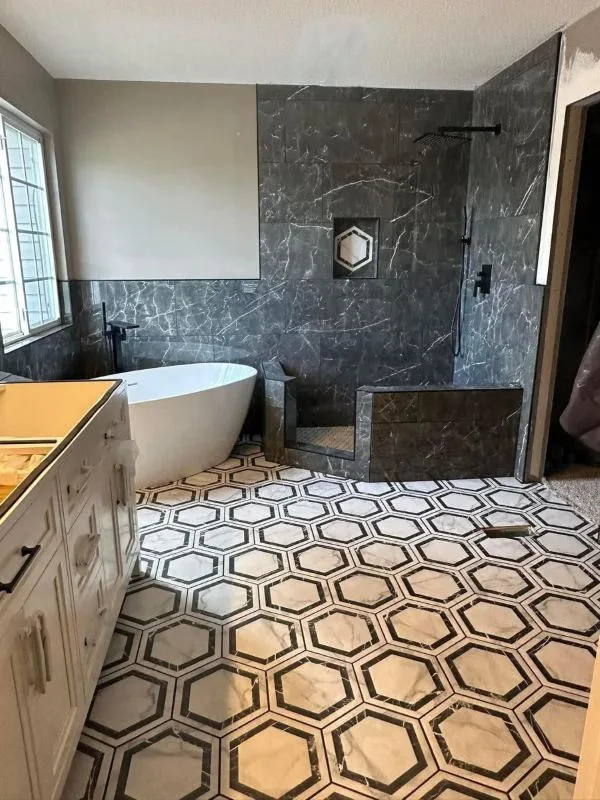
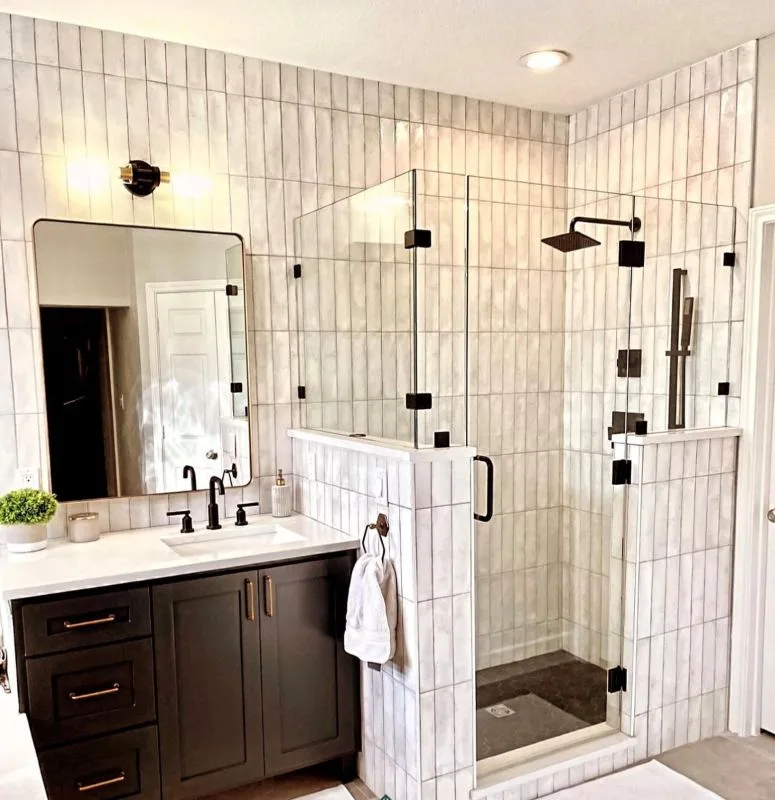
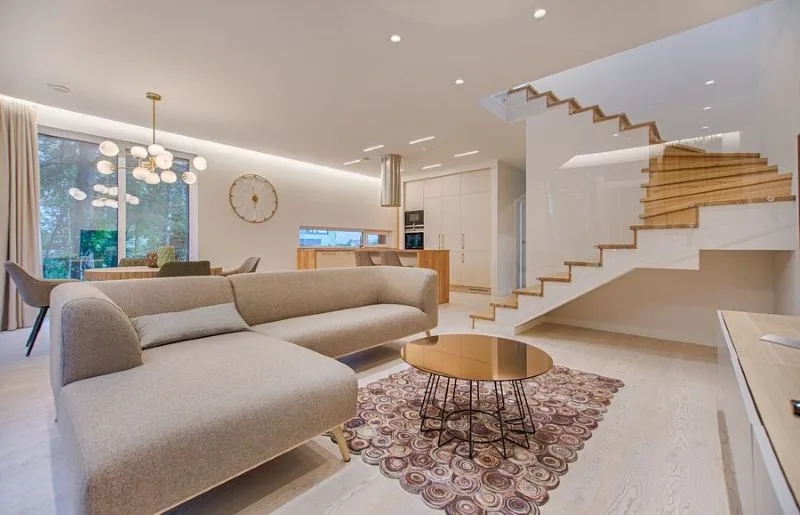
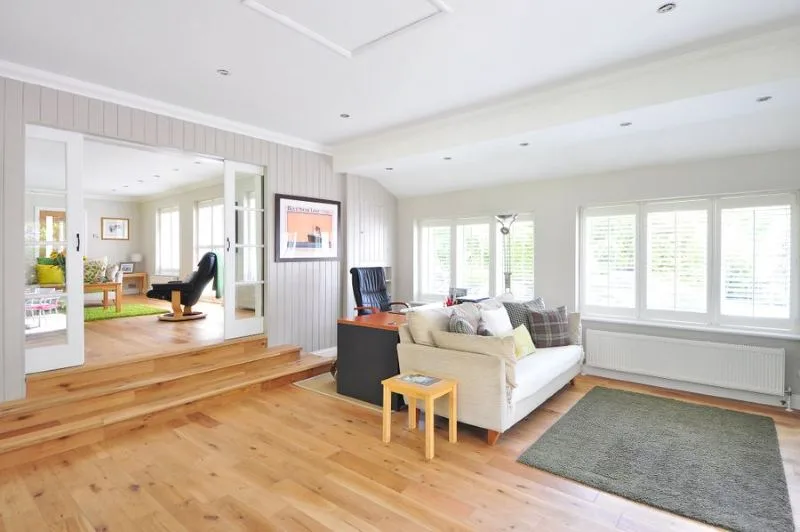
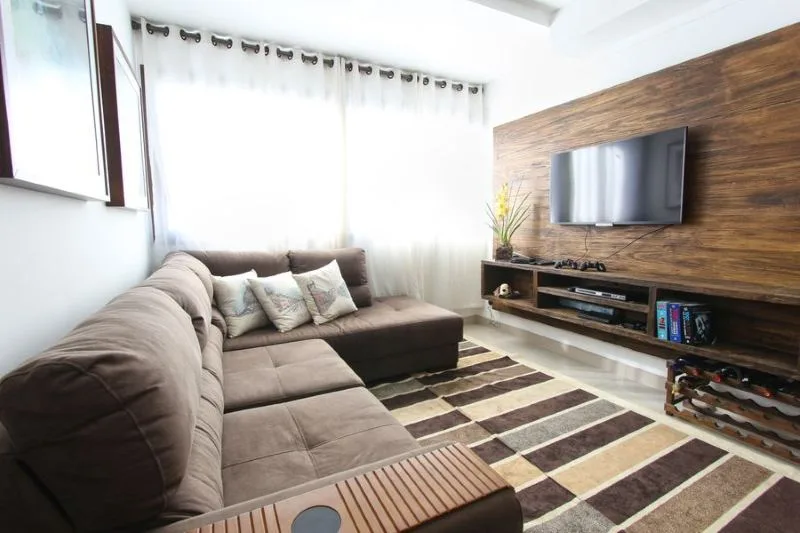
A whole home renovation has an order that isn’t optional if you want it done once. Structural work comes first: foundation repairs, framing changes, anything touching the bones of the house. Electrical and plumbing come next, while walls are still open. Drywall, plaster repair, flooring, and paint come last. Doing this out of order, say flooring before plumbing rough-in, means tearing out finished work to fix something that should have happened earlier.
If you’re doing a full renovation while living in the house, sequencing matters even more. Some phases make a house genuinely unlivable, like when water or power is shut off to a section for rough-in work. Other phases, like cabinet installation or trim, are disruptive but don’t take the house offline. Talk through which phases require you to be elsewhere and which don’t, so you’re not caught off guard mid-project.
Permits and inspections have their own sequence too, and they’re tied to the work, not to your calendar. Structural and electrical work typically needs inspection before it gets covered up by drywall. A contractor who’s used to Orleans, Jefferson, and St. Tammany permitting offices knows which inspections come before cover-up work and schedules around it instead of guessing and hoping.
Before you commit to a full renovation, get a straight answer on what’s structural and what’s cosmetic. A house that looks fine from the inside can have foundation settling, especially in a pier and beam home where piers shift over decades. If your contractor hasn’t looked under the house or in the attic before writing the scope, that scope is incomplete.
Ask what’s included as a fixed item and what’s an allowance. Cabinets, tile, and fixtures are often priced as allowances, meaning a placeholder budget stands in until you pick the actual product. That’s normal, but you should know which numbers in your proposal are locked and which ones move if you pick something above the allowance.
If your house is in a historic district, find out early whether the scope needs Historic District Landmarks Commission review before permits get pulled. That review affects timeline and sometimes affects material choices on anything visible from the street, like windows, siding, and roofing. Finding this out after work has already started is how projects stall.
Two quotes for the same renovation can look wildly different and still both be honest, because they’re not always pricing the same scope. Read the line items, not just the total. One contractor might include permit costs, dumpster fees, and site protection in the number. Another might list those as separate charges later. The lower number up front isn’t always the lower number at the end.
Check what allowances are set at for materials like flooring, tile, and fixtures. A quote with low allowances looks cheaper on paper and gets more expensive the moment you pick anything above builder grade. Ask each contractor to walk you through their allowance numbers so you’re comparing apples to apples, not comparing a full scope to a stripped down one.
Ask how each contractor handles older-house surprises, like rot behind a wall or wiring that doesn’t meet code once it’s exposed. Renovation on a house built decades ago almost always turns up something. What matters is whether the contractor has a clear process for pricing and approving that work when it’s found, instead of surprise change orders with no explanation.
Local Knowledge
Every whole home job in this city finds something. Knob and tube in a wall nobody had opened. A pier that has dropped. Termite damage in a sill plate. Drain lines that were never right.
None of that is a disaster if you find it in week one and price it honestly. It becomes a disaster when a contractor buries it and it surfaces as a change order in month three.
Tell us what you want done. We will come look at the house and put it in writing.
They transformed my old kitchen into a modern space quickly and kept everything clean.
Lucas Rivera
They renovated our entire condo and the quality is top-tier. New flooring, fresh paint, and updated lighting throughout.
Sophie Ruby
A full main floor renovation. Honest pricing, high-quality materials, and a very hardworking crew.
Zachary Bailey
FAQ
Sometimes, depending on how much of the plumbing and power comes offline at once. We stage the work to keep a bathroom and kitchen running where we can. We will tell you honestly at the walkthrough rather than after you have decided to stay.
You hear about it the day we find it, with what it means and what it costs. Old houses have surprises. The problem is never the surprise, it is finding out about it late.
In practice, no. People use both words for the same work, and we answer to either. If you want the longer version we wrote about it: renovating vs remodeling.
It depends on which phases are happening and where you live in the house. Work that shuts off water, power, or accessible bathrooms for a stretch usually means finding somewhere else to be for that window. Cosmetic phases like paint and trim are disruptive but don’t typically require you to leave.
Generally, any work visible from the street on a home inside a historic district, including roofing, siding, windows, and exterior additions. Interior work usually doesn’t trigger review. Check with your contractor early, since Historic District Landmarks Commission approval has to happen before certain permits are pulled.
A fixed item is priced at an exact cost because the product is already selected. An allowance is a placeholder budget for something you haven’t picked yet, like tile or fixtures. If you choose an item above the allowance, the difference gets added to the project cost.
Cities We Serve
Orleans, Jefferson, St. Tammany, St. Charles, St. John the Baptist and Tangipahoa parishes, and out to Baton Rouge.
Not listed? Call 504-470-0455. We cover most of the metro and the Northshore.
Explore Our Services
One contractor, inside and out, across the New Orleans metro and the Northshore.
Also From Us
Full remodels and refits. Tile, fixtures, layout changes, and the waterproofing underneath that nobody sees.
Learn MoreLayout, cabinets, counters and lighting. Including the awkward galley kitchens in shotgun houses.
Learn MoreRepairs and replacements built for heat, heavy rain and storm season.
Learn MoreWhere We Are
We work out of 3436 Magazine Street in Uptown New Orleans, which puts most of the metro within a short run and the Northshore inside an easy morning.
Next Step
Tell us what you want done in New Orleans and we will come and look at the house. Free written estimate, no obligation, and a number that holds.
Free Estimate
Send this over and we will call you back to set up a walkthrough.