
20 June 2025
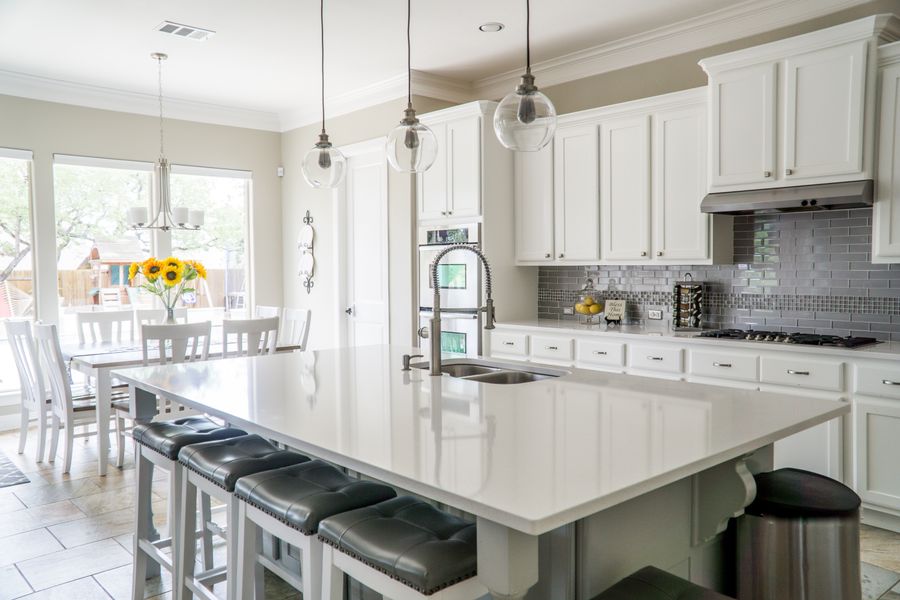
Making the correct material choice in a home renovation makes a significant difference in longevity, appearance, and future savings. Whether it involves choosing treated wood, composite decking, and fiber cement siding for exterior remodeling or engineered hardwood and quartz countertops for interior remodeling, quality materials make a home last for generations. This guide summarizes crucial considerations in material choice to assist homeowners in making informed choices. Big Easy Renovations provides great expertise in the materials for enhancing durability and style.
Why Lasting Materials Matter
Choosing durable materials for a home remodel creates fewer repairs and replacements in the long term. Great options like solid hardwood flooring, fiber cement siding, or metal roofing resist wear and weathering, keeping a home functional and looking beautiful for decades. Durable materials also contribute to property value, which makes the home more attractive to prospective buyers.
Assess Needs and Lifestyle
Knowing your unique demands and lifestyle is the first step in choosing the right materials for a long-term home makeover. Each home is unique, and these factors are critical in making informed decisions.
Identify Renovation Goals
Selecting the appropriate materials begins with knowing your lifestyle and needs. Every home is different, and these factors guide smart decisions.
Evaluate Home Condition
A home inspection reveals structural needs that guide material choices. Wet areas may need water-resistant options, while old insulation or siding may require replacement. Identifying these needs simplifies planning and ensures lasting results.
Consider Long-Term Usage
Future-proofing a house involves the selection of flexible materials. Scratch-resistant flooring accommodates families with kids, while slip-resistant materials facilitate aging in place. Neutral tones and modular cabinets make future renovations easier.
Focus on Essential Home Improvements
Highlighting necessary improvements enhances resilience, functionality, and appeal. Choosing the correct materials for the roof, exterior sides, windows, floors, insulation, and yards provides extended operability without overstepping financial and maintenance guidelines.
1. Roofing Material Selection
A durable roof protects your home and boosts curb appeal. Asphalt shingles offer an affordable trade-off between price and lifespan. Metal roofing is longer-lasting and weatherproof with less upkeep. Tile gives a unique appearance and durability but at increased costs and weight issues.
2. Siding Material Selection
Siding enhances insulation, safeguards, and street appeal. Vinyl is inexpensive and easy to maintain; wood looks attractive but needs upkeep; fiber cement is durable and low-maintenance.
3. Window and Door Material Selection
Windows and doors that are energy-efficient improve insulation and security. Vinyl is affordable and requires little maintenance; fiberglass delivers top-tier performance and longevity; woodclad gives insulation with lasting attractiveness.
4. Flooring Material Selection
Durable, easy-to-maintain flooring is a must. Hardwood is always in style, tile is waterproof, and luxury vinyl is a stylish, affordable choice.
5. Insulation Material Selection
Quality insulation reduces energy costs. Fiberglass is cost-effective and performs well; foam provides the best R-value, while cellulose is an environmentally friendly choice.
6. Decking and Outdoor Material Selection
Choose outdoor materials that withstand the elements with minimal upkeep. Composite decking is weatherproof and sustainable; wood provides a natural appearance but requires upkeep; and PVC is completely weatherproof and has low upkeep.
Factors Affecting Material Lifespan
New material choices in residential retrofits involve consideration of how various conditions in the environment will impact their long-term operation. To effectively and sustainably function, residents must take into account the respective climate, conditions in the environment, material functioning, and upkeep.
Understand Local Climate Impact
Materials should suit the local climate. Moisture-resistant fiber cement siding works well in humid areas, while UV-resistant shingles help prevent sun damage in sunny regions.
Evaluate Environmental Conditions
City pollution, heavy rainfall, and moisture impact material strength. Mold-resistant drywall and stainless steel fasteners help prevent corrosion and moisture damage.
Analyze Material Performance Factors
Strength, flexibility, and wear resistance drive how materials perform with everyday use. Engineered wood resists warping, and tempered glass adds safety in impact-heavy regions.
Review Maintenance Requirements
Low-maintenance materials simplify upkeep and reduce costs. Vinyl siding needs occasional cleaning, whereas wood requires frequent sealing.
How to Evaluate Material Durability
Choosing durable materials prevents frequent replacements and repairs. Verifying specifications, certification, and sustained performance guarantees they can resist wear, weather, and time.
Research Material Specifications
U nderstanding the technical details helps homeowners choose the right material for their climate. Fiber cement siding is more resistant to moisture damage than wood.
Check Industry Certifications
Look for certifications that guarantee quality and sustainability. ENERGY STAR ratings indicate energy efficiency, while FSC certification ensures responsible wood sourcing.
Consider Long-Term Performance
Durability includes resistance to fading, cracking, and general wear. Stone countertops and composite decking maintain their integrity better than alternatives with higher upkeep needs.
Compare Material Lifecycles
Longer-lasting materials often justify higher upfront costs. Concrete tiles last up to 100 years, making them a worthwhile investment despite initial expenses.
Balance Cost and Long-Term Value
Balancing cost and long-term value will prevent surprises. Low-cost materials that are long-lasting keep the costs down, and quality improvements such as quartz countertops and energy-efficient windows will create lasting value.
Analyze Initial Material Costs
Cost-effective options like vinyl flooring provide durability without a high price, while engineered hardwood delivers luxury at a more affordable price compared to solid hardwood.
Project Lifecycle Expenses
Including maintenance and possible replacements avoids surprise expenses. Fiber cement siding, for example, needs little maintenance compared to wood.
Factor in Resale Value
High-quality features attract buyers and boost home value. Quartz countertops and energy-efficient windows offer strong resale potential.
Explore Material Options
The proper selection of materials guarantees style and durability in home renovation. Knowing what is available ensures that homeowners balance form and function.
Traditional vs. Modern Materials
Timber, masonry, and rock offer durable, long-term lastingness and looks. Wood is warm in sensation but needs to be maintained; brick is better insulated at a higher cost; and stone is highly durable and extremely costly.
Sustainable Choices
Eco-friendliness is given importance when choosing sustainable materials such as bamboo and recycled materials for durability. Bamboo is great for flooring, recycled glass is ideal for countertops, and cork is comfortable and strong.
Matching Materials to Style
Materials should complement both design preferences and practicality. Modern spaces pair well with concrete, glass, and steel, while rustic homes benefit from reclaimed wood and natural stone. Industrial designs shine with exposed brick and metal finishes.
Installation and Maintenance Best Practices
Selecting high-quality materials is just one aspect of a durable home improvement. Correct installation and upkeep guarantee longevity and sustained functionality.
Proper Installation
Following manufacturer guidelines helps prevent issues like warping or misalignment. Siding needs room to expand in heat, and custom features like ironwork or cabinetry benefit from professional installation. Keeping records, like flooring underlayment details, makes future repairs easier.
Regular Maintenance
Regular upkeep prevents expensive repairs. Staining wooden fences, cleaning gutters seasonally, and checking for wear like cracked grout or rust twice a year can help. Keeping maintenance records makes it easier to track materials and plan for future care.
Early Problem Detection
Catching issues early keeps materials in good shape. Loose shingles indicate roof trouble and twisted decking could indicate moisture issues. Awareness of such risks as pest infestation in wood or fading of vinyl from the sun puts homeowners in a proactive position to guard their investment.
Smart Material Choices for a Lasting Home
The right materials make a home more comfortable, durable, and valuable. Whether upgrading floors, windows, or decking, smart choices today ensure long-term performance and style. Choosing quality now means fewer worries down the road, lower energy costs, and a home that feels good to live in for years to come.
At Big Easy Renovations, we help with expert guidance and quality craftsmanship. Let’s build something that lasts, contact us today to get started!
Ready For a Straight Number?
Tell us what you want done. We will come look at the house and put it in writing.
Free Estimate
Let's Look At Your House
Send this over and we will call you back to set up a walkthrough.
- Call504-470-0455
- Visit3436 Magazine Street #120-D
New Orleans, LA 70115 - HoursMonday to Saturday, 8:00am to 5:00pm